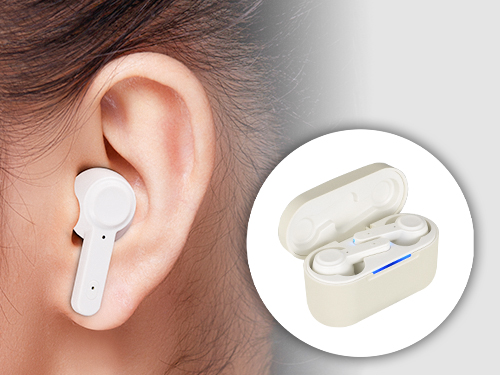
A hearing aid is no longer a simple amplification device buried carefully behind the ear. It has become a gateway to clearer communication, greater confidence, and a more connected life. Over the years, the technology behind every modern hearing aid has transformed dramatically, influenced by advances in digital processing, artificial brains, and user-centered design. As more people embrace they, the social perception of hearing loss and hearing support is also changing, creating a place where individuals can seek help with pride rather than uncertainty.
One of the most compelling facets of today’s hearing aid is its capacity to deliver natural, personalized sound 助聽器價格. Instead of boosting all industrial noise equally, advanced devices analyze the soundscape in real time. They identify speech, filter out bothersome background noise, and adjust clarity based on the user’s environment. For someone moving via a busy café, a quiet living room, or a lively outdoor park, this flexibility helps preserve comfort and comprehension. The complexity of these features demonstrates a shift toward treating hearing support as a of utilizing holistic, lifestyle-enhancing tool rather than a corrective medical device alone.
Comfort and design have similarly seen impressive refinement. Early models were often cumbersome and noticeable, which disheartened many people from wearing them consistently. Modern designers understand that a hearing aid must feel natural to the individual. As a result, new models prioritize lightweight materials, ergonomic desk shapes, and custom fits. Some versions sit almost invisibly inside the canal, while others offer sleek behind-the-ear profiles that blend with hair or skin tone. This innovative development encourages users to choose the style that best aligns with their personal comfort and aesthetic preferences.
Connection is another transformative dimension. A hearing aid today often acts as a bridge between the user and their digital world. Wireless technology allows they to pair with touch screen phones, television sets, and even virtual assistants. Users can stream music, follow phone talks, or adjust volume settings via an iphone app with effortless convenience. This seamless integration is specially valuable for those who rely heavily on mobile phones for work or social interaction, making hearing support an active part of daily communication rather than an singled out tool.
For those concerned about maintaining warm, natural human interaction, a hearing aid can dramatically improve voiced communication. Hearing loss often leads to insecurity, social revulsion, or frustration during talks. By restoring clarity, the device encourages more meaningful proposal with friends, fellow workers, and family members. In many cases, users report restored confidence in public places settings, including classes, workplaces, and social gatherings. Reclaiming the ability to follow debate effortlessly can be life-changing, making the hearing aid an essential companion rather than an optional accessory.
Education about hearing health is also growing. People are more informed about the causes and consequences of hearing loss, including long-term contact with loud noise, neglected infections, and age-related changes. As awareness grows, so does the and the early involvement matters. An effective hearing aid can stop the cognitive strain associated with struggling to know, supporting clearer mental function and reduced fatigue. It also helps preserve emotional well-being by reducing feelings of isolation and maintaining strong sociable bonds.
Another growing trend in this field is personalization. Hearing specialists now use detailed tests to target each device to the individual’s oral profile. This customization ensures that the hearing aid targets specific frequencies where the user needs support, resulting in clearer comprehension without overwhelming volume. Some devices even store multiple listening profiles that automatically adjust as the user moves from quiet to busy environments. This level of refinement makes over the experience from simply hearing sound to truly understanding it.
Environmental durability is yet another important development. Many contemporary hearing aid models are built to withstand daily conditions such as moisture, dust, and mild weather changes. This resilience allows users to wear their devices during outdoor activities, exercise, or travel with minimal worry. The peace of mind that comes from knowing the device can handle real-world conditions encourages individuals to use it consistently, ensuring optimal benefit.
Cost and accessibility continue to improve as well. Expanded marketplace options, flexible payment plans, and bigger insurance coverage are making they more attainable. Public awareness campaigns and community outreach efforts lessen stigma and encourage individuals to seek help earlier. Even workplaces and schools are becoming more helpful, recognizing the hearing aid as a vital tool for inclusivity and equal opportunity.
Despite all these advancements, some individuals still hesitate due to misconceptions. Many fear that wearing a hearing aid signals aging or a weakness. In reality, taking on hearing support demonstrates self-awareness and a aggressive approach to well-being. Just as people wear glasses to improve vision, they enhance oral perception, allowing users to perform at their full capacity. As society becomes more open about assistive technology, this uncertainty is steadily downsizing.
Another disbelief is that hearing aids restore hearing to perfect youthful levels. While they cannot reverse physical changes within the inner ear, they significantly enhance clarity, understanding, and perception. Their effectiveness depends on proper fitting, regular maintenance, and realistic expectations. With professional guidance, users quickly learn how to care for their devices, clean them properly, and work with their specialist for adjustments that ensure long-term satisfaction.
The future of the hearing aid promises exciting possibilities. Researchers are exploring new ways to integrate advanced classifiers, deeper learning models, and even biometric receptors. These enhancements may help detect falls, analyze health data, or monitor cognitive wellness. The hearing aid may soon change into a multifunctional companion that supports not only oral needs but all around health and day to day living.
Ultimately, benefit of a hearing aid expands far beyond sound amplification. It represents independence, safety, and social connection. It can open doors that might have felt closed due to communication barriers and can provide a restored sense of involvement in every area of life. Whether someone is engaging in conversation, enjoying entertainment, working together at work, or exploring new places, the hearing aid acts as a vital link between the individual and the world around them.